


What is a Heart Rate?
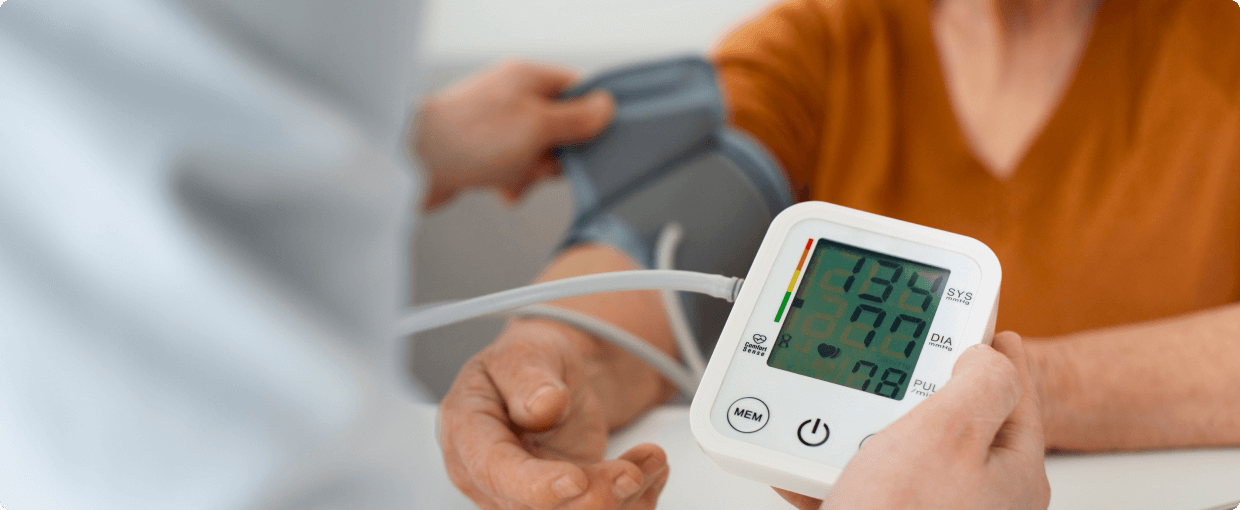
Your heart rate, or pulse, is the number of times your heart beats per minute. Using a heart rate monitor can help you track these changes accurately and understand your body better. Normal heart rate varies from person to person, and knowing yours can be an important heart health gauge.
As you age, changes in the rate and regularity of your pulse can change and may signify a heart condition or other condition that needs to be addressed.
Where is it?
The best places to find your pulse are the: wrists, inside of your elbow, side of your neck, and top of the foot!
What’s a normal resting heart rate?
Your resting heart rate is when your heart pumps the minimal amount of blood that your body needs because you’re at rest. Resting heart rates can vary by individual, and age, activities, and certain medications can affect the overall heart rate.
According to the American Heart Association (AHA), a normal resting heart rate is between 60 and 100 bpm. But some people may have a resting heart rate that’s lower than 60 bpm and is still considered normal, for example an athletes may find their heart rates are lower, sometimes as low as 40 bpm.
Active people often have a lower resting heart rate (as low as 40) because their heart muscles are in better condition and don’t need to work as hard to maintain a steady beat. A low or moderate amount of physical activity doesn’t usually change the resting pulse much. In addition, people taking certain medications, like beta-blockers, may also have a lower resting heart rate.
The table below shows the average normal resting heart rate for adults based on age.
| Age range (years) | Average resting heart rate (bpm) |
|---|---|
| 18 to 20 | 81.6 |
| 21 to 30 | 80.2 |
| 31 to 40 | 78.5 |
| 41 to 50 | 75.3 |
| 51 to 60 | 73.9 |
| 61 to 70 | 73.0 |
| 71 to 80 | 74.2 |
| Over 80 | 78.1 |
How Other Factors Affect Heart Rate
Air temperature:
When temperatures (and the humidity) soar, the heart pumps a little more blood, so your pulse rate may increase, but usually no more than five to 10 beats a minute.
Body position:
Resting, sitting, or standing, your pulse is usually the same. Sometimes as you stand for the first 15 to 20 seconds, your pulse may go up a little bit, but after a couple of minutes, it should settle down.
Body size:
Body size usually doesn’t change pulse. If you’re very obese, you might see a higher resting pulse than normal, but usually not more than 100.
Medication use:
Meds that block your adrenaline (beta blockers) tend to slow your pulse, while too much thyroid medication or too high of a dosage will raise it.
Emotions
If you’re stressed, anxious, or “extraordinarily happy or sad” your emotions can raise your pulse.
High heart rate:
When your heart rate is too fast, it’s called tachycardia. For adults, a fast heart rate is defined as above 100 bpm. But what’s considered too fast may also depend on your age and overall health.
Their classification is based on their cause and the part of the heart they affect.
Experiencing tachycardia may be temporary.
Some possible causes of tachycardia can include:
- an underlying health condition
- anxiety or stress
- heavy caffeine consumption
- heavy alcohol consumption
- electrolyte imbalance
- anemia
- hormonal problems (i.e., thyroid)
- fever
- intense or strenuous exercise or physical activity
- side effects from medication
- cigarette smoking
- use of certain drugs (like cocaine)
Does mental stress increase heart rate?
Experiencing emotional or physical stress causes an increase in heart rate, elevation of blood pressure, and release of stress hormones. All these result in a greater workload for the heart, which can be dangerous.
Can overthinking increase heart rate?
Many people experience heart palpitations along with anxiety. Anxiety sets off the body’s “fight or flight” response as part of the autonomic nervous system (ANS). When you feel uneasy about a situation, your ANS kicks in, increasing your heart rate.
Download Pauser – your all-in-one Heart Rate Monitor, Stress, Sleep & Meditation App to track, relax, and stay healthy.